Limitless Rust Gameplay: Craft, Survive, Dominate in an Endless Wasteland
Rust isn't just a game – it's a brutal, unforgiving, yet endlessly rewarding survival experience that has captured the hearts of millions across India and the world. With its limitless gameplay possibilities, every day in Rust is a new adventure. In this comprehensive guide, we'll take you deep into the world of Limitless Rust Gameplay, covering everything from foundational survival mechanics to advanced raiding tactics.
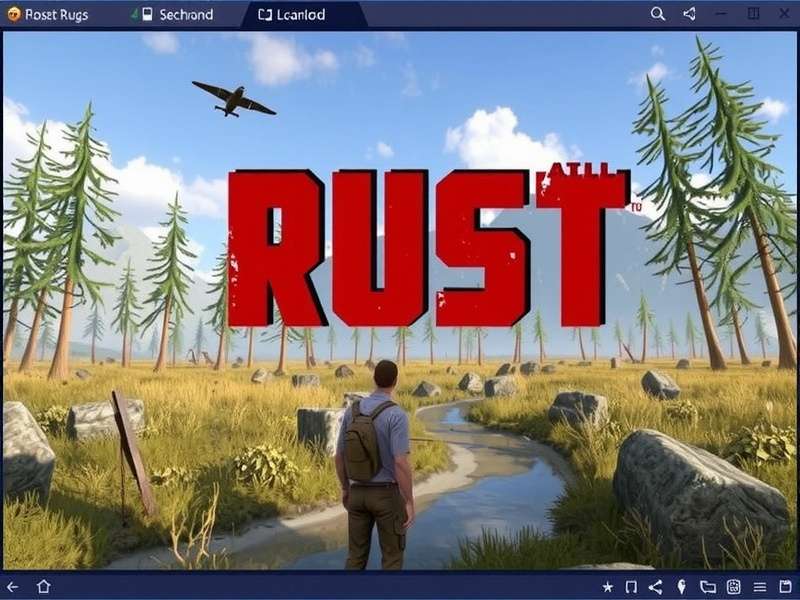
Introduction to Limitless Rust Gameplay
Rust, developed by Facepunch Studios, is an open-world survival game that drops players into a post-apocalyptic wasteland with nothing but a rock and a torch. The phrase "Limitless Rust Gameplay" perfectly encapsulates what makes this game so special: its open-ended nature, player-driven narratives, and endless emergent scenarios.
Whether you're playing on a bustling 200-player server or a quiet 10-person community server, the gameplay dynamics shift dramatically, ensuring no two sessions are ever alike. For those asking How Old Is Rust, the game first entered Early Access in December 2013 and has since evolved through constant updates, making its age a marker of deep maturity and content richness.
In India, the Rust community has grown exponentially. Gamers from Mumbai to Bengaluru have embraced the thrill of scavenging for resources, building bases, and forming alliances or rivalries. The game's Rust Game Overview reveals a dynamic sandbox where the only limit is your imagination (and your gathering skills).
What Makes Rust Gameplay Truly Limitless?
The "limitless" aspect of Rust gameplay comes from its sandbox design. Unlike linear survival games with scripted events, Rust places you in a procedurally generated world and says, "Good luck." You decide:
- Where to build – Hidden in mountains, near monuments, or deep in the snow biome.
- When to strike – Night raids or dawn assaults, the choice is yours.
- Who to trust – Alliances, betrayal, and diplomacy are all possible.
- How to progress – From primitive stone tools to rocket launchers and C4 explosives.
The Evolution of Rust's Open World
Since its initial release, Rust has undergone massive transformations. The older "rad town" system evolved into the current monument system with landmarks like Launch Site, Military Tunnels, and Dome. Each monument offers different loot tables, encouraging exploration and territorial disputes.
The addition of electricity, neural physics, trains, and modular vehicles in recent years has expanded the gameplay canvas even further. Today, players can wire elaborate trap bases, design automated defenses, and even build functioning vehicle garages – all within the game's robust building framework.
Getting Started with Rust Gameplay
First Steps in the Wasteland
When you first spawn in Rust, you appear along the beach, naked and confused, with a rock and a torch. Your immediate priorities are simple: gather wood and stone, craft basic tools, and get off the beach as fast as possible. Beaches are hunting grounds for bored geared players looking for easy kills.
Essential Survival Mechanics
Gathering Resources
Resources are the lifeblood of Rust. Wood, stone, metal fragments, cloth, and sulfur are the primary materials you'll need. Efficient gathering requires the right tools – pickaxes for stone, hatchets for wood – and increased tool quality dramatically speeds up the process.
In the Indian gaming context, many players prefer to team up with friends, sharing the gathering burden and providing security while farming. This cooperative approach is especially effective in areas with high resource node density.
Building Your First Shelter
Your first base will be modest – a square stone foundation, wooden walls, a door, and a sleeping bag. This humble start is the beginning of your journey. The key is to upgrade from wood to stone as quickly as possible before raiders melt your base with a flamethrower.
Managing Hunger and Health
Rust's survival mechanics require constant attention. Keep your hunger and water levels topped up by collecting food from animals, boxes, and farms. Stack bandages and medical syringes for emergencies. In hardcore settings, injuries can become infected, adding another layer of depth.
Deep Dive into Rust Gameplay Mechanics
The Crafting System
Rust's crafting system is both deep and rewarding. From simple spears to complex AK-47s, every item requires learned blueprints and specific resources. Here's a quick look at the tier progression:
| Tier | Examples | Materials Needed |
|---|---|---|
| Tier 1 | Wooden spear, Bow, Stone hatchet | Wood, Stone, Cloth |
| Tier 2 | Revolver, Custom SMG, Metal armor | Metal frags, Gunpowder |
| Tier 3 | AK-47, Bolt action, Rocket launcher | High-quality metal, Tech trash |
Building and Raiding
The building system in Rust is complex. Software development kits (SDKs) and design guides claim almost limitless structural permutations. Every base design faces a trade-off between strength, cost, and functionality.
Raiding is equally complex, using tools such as the explosive timed charge, rocket launchers, satchel charges, and melee attacks on weaker materials. The best raiders scout, plan, and execute like military strategists.
PvP and PvE Dynamics
Rust's PvP (Player vs. Player) combat is notoriously unforgiving. With high damage models and no respawn-in-place mechanics, every fight carries significant stakes. On the other side, PvE elements include bears, wolves, and the environmental hazards of radiation and cold.
Rust Gameplay Solo vs Multiplayer
Choosing between solo and multiplayer is one of the most fundamental decisions players make. Each offers vastly different experiences.
Rust Gameplay Solo
Playing solo in Rust is an intense, heart-pounding experience. Every step outside your base is a risk. The satisfaction of successfully living alone in a world that tries to kill you is unmatched. Our dedicated Rust Gameplay Solo guide covers advanced tips like stashing loot, building small hidden shelters, and leveraging sound cues to avoid enemies.
Success Tactics for Solo Players
- Build small, unassuming bases that look like they're not worth raiding.
- Keep your base footprint tiny. Multiple small stashes hidden around the map are better than one big base.
- Master the bow and crossbow – they're silent and cost-effective.
- Use night time to move resources between bases.
- Always have a sleeping bag hidden in multiple locations.
Rust Gameplay Multiplayer
For those who thrive in groups, Rust Gameplay Multiplayer brings team dynamics, shared resources, and epic base-building projects. In a clan, the division of labor is key – gatherers, builders, crafters, and fighters each play their part.
Clan Structure and Communication
Effective clans use Discord or in-game voice chat to coordinate raids and defensive maneuvers. Roles are clearly defined:
- Farmers – Responsible for gathering key resources.
- Builders – Design and construct the base complex.
- Scientists – Research blueprints and craft advanced gear.
- Rushers – Engage in combat and execute raids.
Advanced Rust Gameplay Strategies
Base Design Principles
An effective base is more than just a square of walls. It should have:
- Honeycomb layers – Extra empty space around the core to waste raiders' explosives.
- Multiple entry points – So you can sortie while the attacker is focused.
- Air lock systems – To prevent if they kill you from entering the main room.
- Effective placement of the tool cupboard – To maximize authorized building range.
Resource Management
The rich get richer in Rust. Smart players reinvest early resources into furnace arrays and large farms, generating compounding wealth. Never let surplus sulfur sit idle – turn it into gunpowder, then ammo, and you become a force to be reckoned with.
Raiding Tactics
An effective raid requires reconnaissance. Capture a victim's base with a series of carefully placed explosives, choose the path of least resistance, avoid going through tool cupboard walls, and use the external walls to your advantage.
Defense Strategies
When defending, your base is your fortress. Use auto-turrets, shotgun traps, and door camp tactics. Keep a shooting floor with sandbag covers and windows. If your base is on fire, remember: rotate doors every time you sign in for maximum security.
Combat Mastery in Rust
Weapon Systems
Rust features a variety of firearms, projectile weapons, and melee armaments. AK-47 and LR-300 are top-tier choices for most encounters. The SMG and pump shotgun are devastating in close quarters. Go checkout videos on Rust Gameplay YouTube for the best weapon breakdowns.
Learning recoil patterns is critical. Spending hours on aim training servers will make you a more lethal player. Crosshair placement and target prioritization matter just as much as raw aim.
Team Coordination in Combat
Coordinate with your team like a military squad. Using clear callouts for enemies, positions, and tactics is vital. Use two-person teams to flank and third-person to distract. In large group fights, communication is your greatest weapon.
Economy and Trading in Rust
In-Game Economy
Rust's economy is player-driven. Since there's no in-game currency, bars and scrap are often used as trade goods. Clans will sell guns, resources, and even building services. Players often set up trading posts at key locations, creating mini-cities of commerce.
In the Indian server community, trade often happens via Discord servers. Using a trusted broker app reduces the risk of being "scammed." It's essentially a player-to-player marketplace where face-to-face deals are rare.
Protecting Your Investments
In Rust, your investments are only as safe as your base. Always keep premium materials in secure rooms, use scarce resources wisely, and don't keep more than one or two days' worth of farm on-hand unless you have a strict defense team online.
Content Creation and the Rust Community
Streaming and YouTube
Rust content creation is massive entertainment in India. Gamers like Triggered Insaan and CarryMinati have played Rust, bringing it to the mainstream. For creators, Rust offers drama, betrayal, comedy, and combat – everything great content needs.
If you are a creator looking to grow, study your Rust Gameplay YouTube trends, create educational content, or roleplay scenarios. Unique stories, not just pure skill, often get the most views.
Building a Community
Successful Rust content creators build communities that extend beyond the game. Use Discord, Instagram, and Twitter to keep in touch with your fanbase. Host community events, giveaways, and collaborate with other creators.
Rust on Different Platforms
Rust Console Edition
The Rust Console experience offers the same brutal survival gameplay on PlayStation and Xbox. It's slightly more streamlined in terms of controls and UI, but the core loop remains unchanged. Console players often enjoy a more relaxed, community-oriented environment compared to the highly competitive PC scene.
Rust Mobile Release
For those wondering about the Rust Game Release Date Mobile, the developers have not yet announced an official mobile version. However, many mobile games clone Rust's format, which shows the high demand for the original experience on phones. Stay tuned to PlayRustGame for updates on future mobile launches.
Technical Aspects and Game Engine Analysis
The Bevy Rust Game Engine
The Bevy Rust Game Engine is an open-source game engine built entirely in Rust. It's been gaining popularity among indie devs who want to create Rust-like games with memory safety and high performance. While not used in the original Rust game, this engine is often discussed by Rust developers and fans exploring game creation.
Game Optimization Tips
To ensure your PC handles the game, check the following:
- Keep GPU drivers updated for maximum performance.
- Lower graphics settings in dense forests and large bases.
- Cap your FPS to 60 if your monitor is not high refresh rate.
- Install on an SSD for faster load times.
Common Questions and Answers about Rust
Is Rust worth playing in 2025?
Absolutely. With regular content updates, an active community, and an ever-evolving meta, Rust has never been more alive. It's a steep learning curve, but the reward is enormous.
What is the best server for a beginner?
For beginners, "PvE" servers with active admins and a friendly community are the best. Players can learn basic mechanics without being killed every minute. Also check out "low-pop" vanilla servers to practice.
Can I run Rust on a low-end PC?
Rust is demanding. The minimum GPU is GTX 780, but for a smooth experience, a GTX 1060 or better is recommended. A minimum of 16 GB RAM is strongly advised for large base compounds and active servers.
How many hours do you need to get decent at Rust?
Most players need 200–500 hours to reach a competent level. With good guidance from resources like PlayRustGame, you can shorten that curve and become a serious rival much faster.
Conclusion: Embrace Limitless Rust Gameplay
Limitless Rust Gameplay is a journey, not a destination. Every wipe resets the slate, but your knowledge, alliances, and skills remain. As the Indian gaming community grows, Rust's unique blend of tension, creativity, and freedom has made it a cornerstone of modern survival gaming.
Play carefully, learn relentlessly, and above all, have fun fighting for your place under the sun. For more resources, be sure to explore our other guides and check the Rust Game Pass page for any subscription packages that might help you unlock premium content.
Until next time – keep your weapons loaded and your bases honeycombed!
User Comments
Leave a Comment